Porcelain Veneers vs. Teeth Whitening: Which Is Right for Your Smile?
 

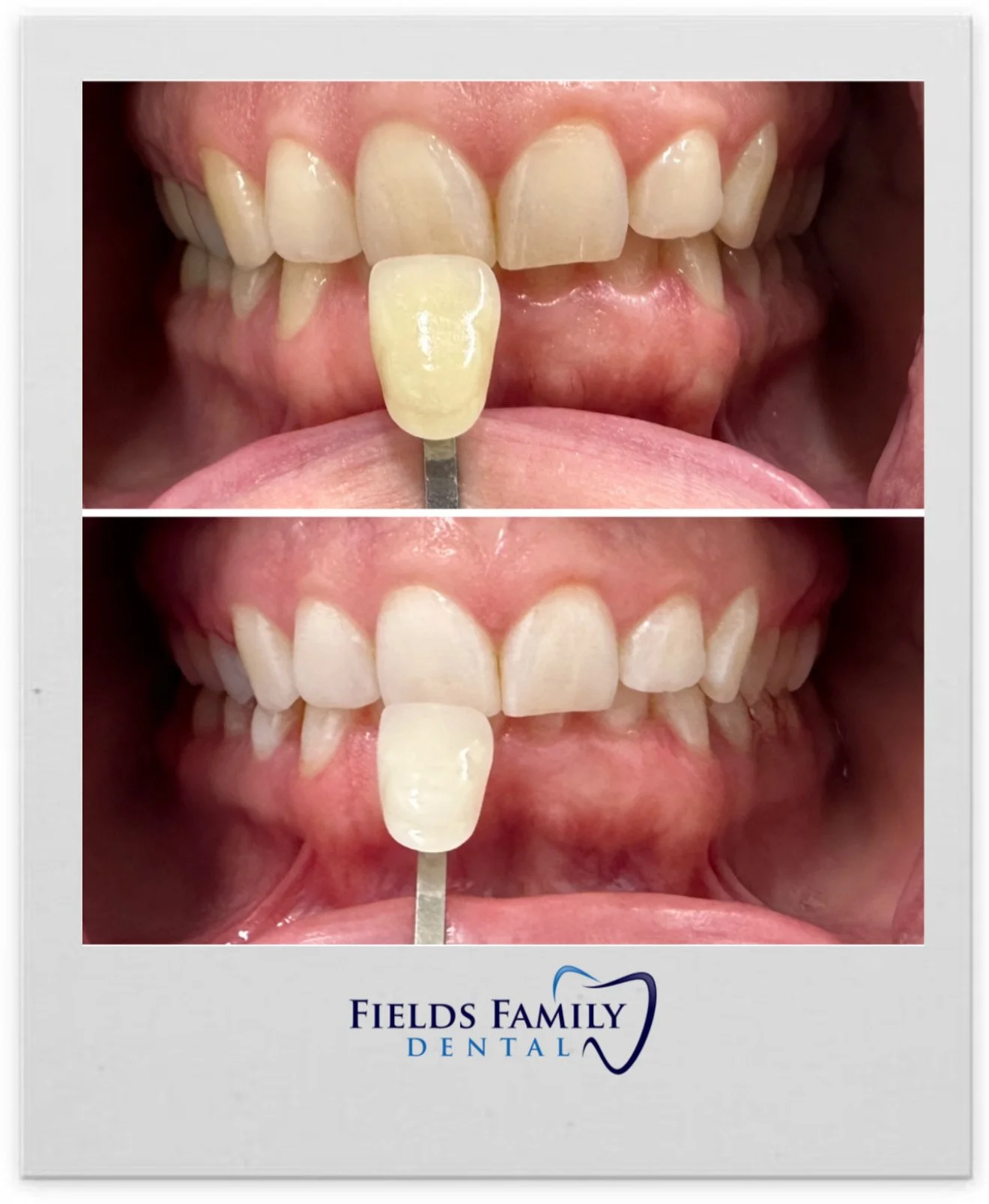
Glo In-Office Teeth Whitening

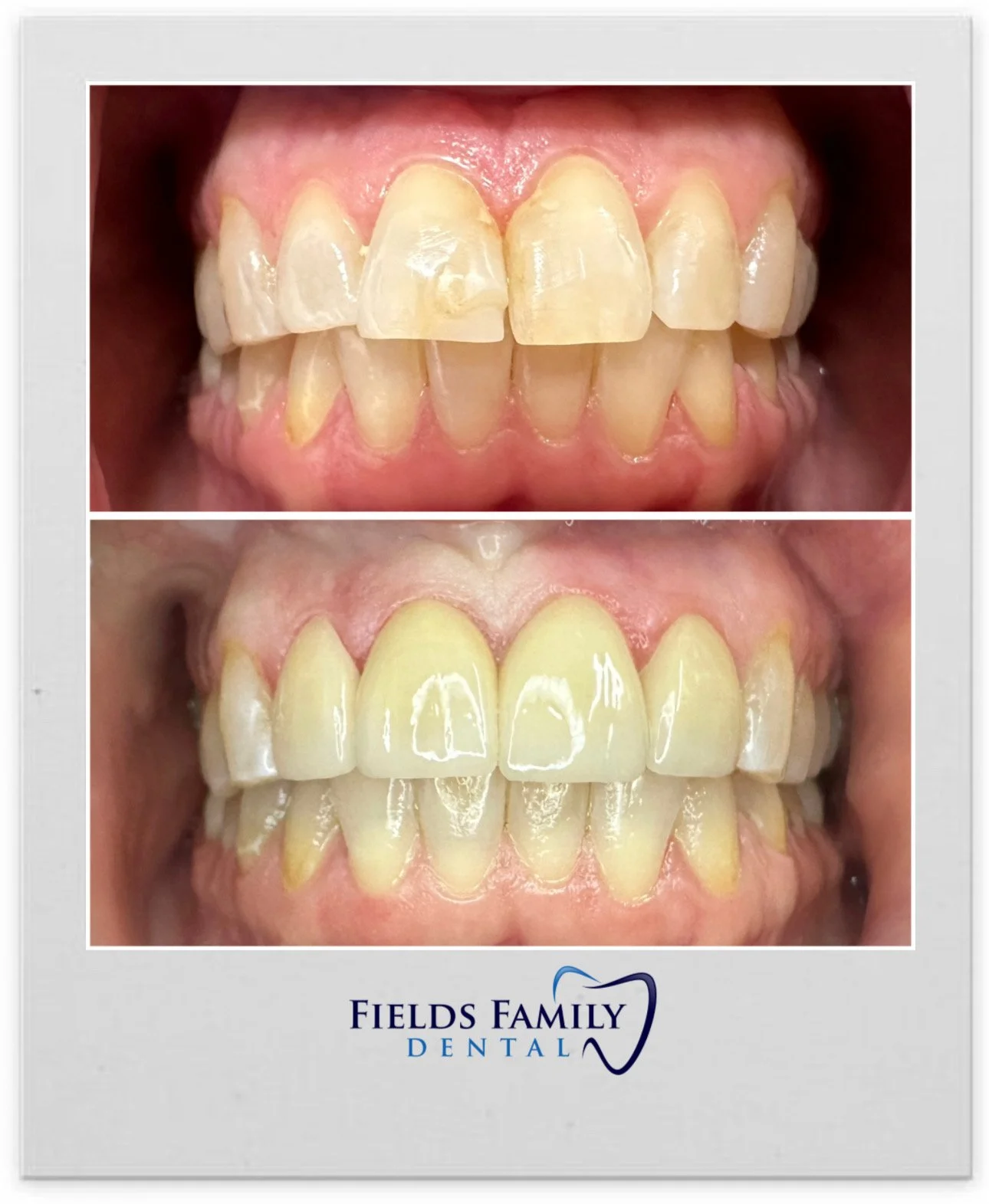
Veneer Case done by Dr. Fields


If you’ve ever looked in the mirror and wished your smile was a few shades brighter or completely transformed, you are not alone. A confident smile can change how you feel, how you interact with others, and how the world perceives you.

When patients come to our Odenton, MD dental office wanting to upgrade their smiles, two of the most common solutions they ask about are professional teeth whitening and porcelain veneers.

While both treatments yield stunning results, they serve very different purposes. How do you know whether a quick whitening session or a permanent smile makeover is right for you? Let’s break down the differences so you can make an informed choice.

1. Professional Teeth Whitening: The Quick Brightener

Professional teeth whitening is one of the most popular cosmetic dental treatments available. Unlike over-the-counter strips or toothpastes that only scratch the surface, professional-grade whitening uses powerful, safe bleaching agents to break apart stubborn stains deep within the enamel.

Ideal For:

  • Surface Stains & Discoloration: Great for discoloration caused by coffee, tea, red wine, tobacco, or natural aging.

  • Healthy, Straight Teeth: Patients who already love the alignment and shape of their teeth, but just want a vibrant, sparkling boost.

  • Budget-Friendly Enhancement: A cost-effective way to make a dramatic impact in a short amount of time.

Pros:

  • Fast Results: In-office treatments can brighten your smile by several shades in just about an hour.

  • Non-Invasive: Your natural tooth structure remains completely untouched.

  • Affordable: A lower upfront investment compared to restorative or permanent cosmetic procedures.

Cons:

  • Not Permanent: Staining foods and habits will eventually dull the brightness again over time (though touch-ups help).

  • Doesn't Fix Structural Flaws: Whitening cannot change the shape of a chipped tooth, close gaps, or fix severe misalignment.

2. Porcelain Veneers: The Ultimate Smile Makeover

Porcelain veneers are ultra-thin, custom-made shells of medical-grade ceramic that are bonded securely to the front surface of your teeth. They are custom-designed to match your ideal tooth shape, color, and size, offering a comprehensive transformation.

Ideal For:

  • Deep Stains That Won’t Budge: Perfect for intrinsic staining (like discoloration from tetracycline or internal tooth trauma) that whitening agents cannot fix.

  • Chipped, Worn, or Broken Teeth: Restores the structural integrity and aesthetic look of damaged teeth.

  • Gaps and Mild Misalignment: Instantly creates a uniform, straight appearance without the need for braces or aligners.

Pros:

  • Permanent & Stain-Resistant: High-quality porcelain resists coffee, tea, and wine stains much better than natural enamel.

  • Comprehensive Transformation: Can fix multiple cosmetic issues (color, shape, size, and gaps) all at once.

  • Long-Lasting: With proper oral hygiene and regular dental checkups, veneers can last for decades.

Cons:

  • Invasive Procedure: A small amount of natural enamel usually needs to be removed to ensure the veneers fit smoothly and naturally.

  • Higher Investment: Veneers are a premium, custom cosmetic procedure that requires a larger financial and time commitment.

At a Glance: Which One Should You Choose?

To help narrow it down, ask yourself these three questions:

  1. Are my teeth healthy and straight, just discolored? à Go with Professional Whitening.

  2. Do I have chips, gaps, misshapen teeth, or deep stains that whitening can't fix? à Porcelain Veneers are likely your best fit.

  3. Am I looking for a temporary boost, or a permanent transformation? à Whitening is temporary and flexible; veneers are a lifetime investment in your smile.

Take the Guesswork Out of Your Smile

The truth is, every smile is unique. What works wonders for one patient might not be the ideal fix for another. The best way to determine whether you need a simple whitening treatment or custom veneers is to sit down with an experienced cosmetic dentist who can evaluate your oral health and listen to your aesthetic goals.

Ready to love your smile again? Click here to make an appointment at Fields Family Dental Odenton, MD and let’s map out a custom plan to give you the confidence you deserve!
 

Deep ShahFields Family Dental
$100 off Glo In-office Whitening Through October 30, 2026 - Fields Family Dental


Ready to flash your brightest, most confident smile? For a limited time, get $100 OFF our professional GLO Science In-Office Whitening Treatment!

Say goodbye to stubborn stains and hello to a visibly whiter smile in just one quick visit, without the usual tooth sensitivity.

  • Faster, dazzling results

  • Safe, gentle formula

  • Trusted professional care

Appointments fill up fast, so claim your discount today!  Call us at 410-672-3501 or email us.

Why do my gums bleed?


Why Do My Gums Bleed? (And When to Worry)

Seeing a little pink in the sink when you brush or floss is surprisingly common, but it is not normal. Healthy gums shouldn't bleed.

As your dental team, we hear this question almost every day. Here is a breakdown of why your gums might be bleeding and what you can do about it.

Common Causes of Bleeding Gums

  • Gingivitis (Early Gum Disease): This is the #1 culprit. When plaque and tartar build up along your gumline, they irritate the tissue, causing inflammation, redness, and bleeding.

  • Aggressive Brushing: Using a stiff-bristled toothbrush or scrubbing too hard can actually traumatize your delicate gum tissue. Switch to a soft-bristled brush and use gentle, circular motions.

  • Inconsistent Flossing: If you only floss occasionally, the trapped bacteria and food particles trigger a mild inflammatory response. The good news? Daily flossing usually stops this type of bleeding within a week or two.

  • Hormonal Changes: Pregnancy, puberty, and menopause cause hormonal surges that increase blood flow to the gums, making them more sensitive and prone to bleeding (often called "pregnancy gingivitis").

  • Medications: Certain medications—especially blood thinners, blood pressure drugs, or antihistamines—can reduce saliva flow or affect your blood's ability to clot, leading to bleeding gums.

When to See Your Dentist

While occasional bleeding from harsh brushing might clear up on its own, you should schedule an appointment with us if:

  • Your gums bleed consistently every time you brush or floss.

  • Your gums look swollen, bright red, or feel tender to the touch.

  • You notice persistent bad breath or a bad taste in your mouth.

  • Your gums are starting to pull away from your teeth (recession).

A Quick Tip: Don't stop brushing or flossing just because your gums bleed! That often makes the underlying inflammation worse. Instead, upgrade to a soft toothbrush and maintain a gentle, consistent routine.

The Bottom Line

Bleeding gums are your body's early warning system. Catching gum inflammation early means it is completely reversible and easy to treat with a professional cleaning and good home care.

Are you noticing any other symptoms, like tenderness or swelling, along with the bleeding?

Happy First Week of School from Fields Family Dental


The kids are back at school, pumpkin spice is back, and parents everywhere are finally getting that first quiet sip of coffee.

While you enjoy that peaceful moment, don’t forget to schedule those dental checkups too. Because back-to-school season is the perfect time to get those smiles back on track!

Here’s to a great school year, happy kids, caffeinated parents, and healthy smiles!


Worn Down and Waking Up Tired? The Hidden Link between Teeth Wear and Sleep Apnea
 

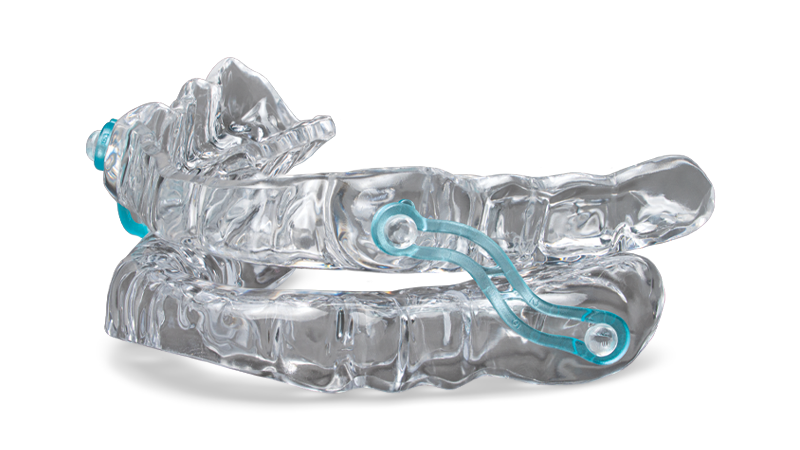
Photo Cred- Glidewell


When you think of sleep apnea, you probably think of loud snoring, gasping for air, and daytime fatigue. You probably don’t think about your teeth.

But what if your dentist could spot a life-threatening sleep disorder just by looking inside your mouth?

It turns out that severely worn-down teeth are one of the most common, yet overlooked, warning signs of Obstructive Sleep Apnea (OSA). Here is a look at how sleep apnea damages your smile, and why treating it is about much more than just protecting your teeth.

The Chain Reaction: How Sleep Apnea Causes Teeth Wear

At first glance, teeth grinding (bruxism) and sleep apnea seem like two completely different issues. One is a dental habit; the other is a respiratory disorder. However, they are deeply interconnected through a survival mechanism.

Here is exactly what happens during the night:

  1. The Airway Collapses: When you fall asleep, the muscles in your throat relax. In people with sleep apnea, these muscles relax so much that they temporarily block the airway, stopping you from breathing.

  2. The Brain Panics: As your oxygen levels drop, your brain realizes it’s suffocating. It triggers a mini-wakeup (an arousal) to save you.

  3. The Jaw Moves to Rescue: To reopen the airway, your brain signals your jaw muscles to clench and push forward. This physical movement forces the airway open so you can take a breath.

The Result: Every time your body fights for air—which can happen dozens of times per hour—you aggressively grind your teeth together. Over months and years, this constant friction obliterates your tooth enamel.

Signs Your Teeth Wear is related to Sleep Apnea

Not all teeth wear comes from sleep apnea (sometimes it’s just daytime stress), but sleep-related bruxism usually leaves a specific trail of clues.

Dental Signs:

  • Flattened or Chipped Teeth: The biting surfaces of your teeth look completely flat, or the edges are constantly chipping.

  • Scalloped Tongue: Indentations along the sides of your tongue where it has been repeatedly pushed against your teeth.

  • Tooth Sensitivity: Worn enamel exposes the sensitive inner layer of the tooth (dentin), making hot or cold drinks painful.

  • Frequent Headaches: Waking up with a dull headache or a sore, tight jaw (TMJ pain).

Sleep Apnea Signs to Watch For:

If your teeth wear is accompanied by any of the following, sleep apnea is highly likely:

Daytime Symptoms

Nighttime Symptoms

  • Chronic daytime fatigue (even after 8 hours)

  • Loud, frequent snoring

  • Brain fog or difficulty concentrating

  • Waking up gasping or choking

  • Morning dry mouth or sore throat

  • Restless tossing and turning

  • Irritability or mood swings

  • Frequent nighttime urination

Why a Nightguard Alone Might Not Be Enough

If you tell your dentist you grind your teeth, the traditional go-to solution is a custom plastic nightguard. Nightguards are fantastic for protecting your teeth from friction, but they only treat the symptom, not the cause.

In fact, if you have undiagnosed sleep apnea, wearing a standard nightguard can sometimes make the airway blockage worse by taking up precious space in your mouth or allowing the jaw to slip backward.

What Should You Do Next?

If you suspect your worn teeth are a sign of something deeper, don't panic. The fix is often straightforward:

  • Talk to your dentist: Ask them to evaluate your teeth wear, tongue size, and airway space.

  • Get a sleep study: If sleep apnea is suspected, a physician can order a home sleep test to monitor your breathing overnight.

  • Explore treatment options: Depending on the severity, sleep apnea can be treated with a Continuous Positive Airway Pressure (CPAP) machine, or a custom Oral Appliance. An oral appliance is a specialized device made by a dentist that holds your jaw forward, keeping your airway open and protecting your teeth at the same time.

Bottom Line

Your teeth are often the window to your overall health. If your smile is looking a little shorter or flatter than it used to, listen to what your body is trying to tell you. Treating sleep apnea won't just save your teeth—it could save your life.

Disclaimer: This blog post is for informational purposes only and should not be taken as medical advice. Always consult with a qualified dentist or physician for diagnosis and treatment.

Happy 11 Years to Fields Family Dental!

11 years of smiles, trust, and unforgettable relationships. We’re beyond grateful to every patient who has chosen us to be part of their journey. Thank you for your support and confidence in our team through the years here’s to celebrating 11 amazing years together and many more to come!

Snow Day - January 19, 2024


Closed for a SNOW DAY!

Stay safe and warm!

We will re-open Monday, January 22, 2024 at 8:30am. Please text or email us if you need anything over the weekend.

Deep Shah
Fields Family Dental Office Closure for Christmas and New Years 2023!

Holiday Office Closure for Christmas and New Years 2023!

In celebration of Christmas and New Years, we want to remind you our office will be closed December 22-26th. We will be open December 27th and 28th then be closed through January 2nd.

We hope everyone can enjoy some time with family this holiday season. Have a wonderful Holiday and Happy New Year!