
Worn Down and Waking Up Tired? The Hidden Link between Teeth Wear and Sleep Apnea
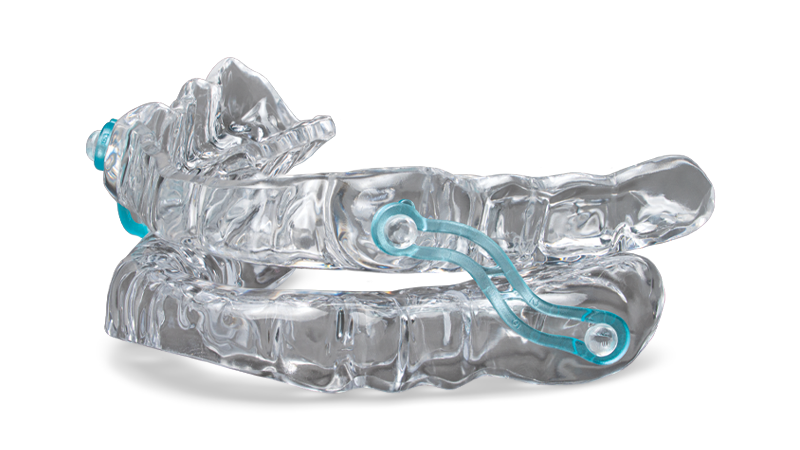
Photo Cred- Glidewell
When you think of sleep apnea, you probably think of loud snoring, gasping for air, and daytime fatigue. You probably don’t think about your teeth.
But what if your dentist could spot a life-threatening sleep disorder just by looking inside your mouth?
It turns out that severely worn-down teeth are one of the most common, yet overlooked, warning signs of Obstructive Sleep Apnea (OSA). Here is a look at how sleep apnea damages your smile, and why treating it is about much more than just protecting your teeth.
The Chain Reaction: How Sleep Apnea Causes Teeth Wear
At first glance, teeth grinding (bruxism) and sleep apnea seem like two completely different issues. One is a dental habit; the other is a respiratory disorder. However, they are deeply interconnected through a survival mechanism.
Here is exactly what happens during the night:
The Airway Collapses: When you fall asleep, the muscles in your throat relax. In people with sleep apnea, these muscles relax so much that they temporarily block the airway, stopping you from breathing.
The Brain Panics: As your oxygen levels drop, your brain realizes it’s suffocating. It triggers a mini-wakeup (an arousal) to save you.
The Jaw Moves to Rescue: To reopen the airway, your brain signals your jaw muscles to clench and push forward. This physical movement forces the airway open so you can take a breath.
The Result: Every time your body fights for air—which can happen dozens of times per hour—you aggressively grind your teeth together. Over months and years, this constant friction obliterates your tooth enamel.
Signs Your Teeth Wear is related to Sleep Apnea
Not all teeth wear comes from sleep apnea (sometimes it’s just daytime stress), but sleep-related bruxism usually leaves a specific trail of clues.
Dental Signs:
Flattened or Chipped Teeth: The biting surfaces of your teeth look completely flat, or the edges are constantly chipping.
Scalloped Tongue: Indentations along the sides of your tongue where it has been repeatedly pushed against your teeth.
Tooth Sensitivity: Worn enamel exposes the sensitive inner layer of the tooth (dentin), making hot or cold drinks painful.
Frequent Headaches: Waking up with a dull headache or a sore, tight jaw (TMJ pain).
Sleep Apnea Signs to Watch For:
If your teeth wear is accompanied by any of the following, sleep apnea is highly likely:
Daytime Symptoms
Nighttime Symptoms
Chronic daytime fatigue (even after 8 hours)
Loud, frequent snoring
Brain fog or difficulty concentrating
Waking up gasping or choking
Morning dry mouth or sore throat
Restless tossing and turning
Irritability or mood swings
Frequent nighttime urination
Why a Nightguard Alone Might Not Be Enough
If you tell your dentist you grind your teeth, the traditional go-to solution is a custom plastic nightguard. Nightguards are fantastic for protecting your teeth from friction, but they only treat the symptom, not the cause.
In fact, if you have undiagnosed sleep apnea, wearing a standard nightguard can sometimes make the airway blockage worse by taking up precious space in your mouth or allowing the jaw to slip backward.
What Should You Do Next?
If you suspect your worn teeth are a sign of something deeper, don't panic. The fix is often straightforward:
Talk to your dentist: Ask them to evaluate your teeth wear, tongue size, and airway space.
Get a sleep study: If sleep apnea is suspected, a physician can order a home sleep test to monitor your breathing overnight.
Explore treatment options: Depending on the severity, sleep apnea can be treated with a Continuous Positive Airway Pressure (CPAP) machine, or a custom Oral Appliance. An oral appliance is a specialized device made by a dentist that holds your jaw forward, keeping your airway open and protecting your teeth at the same time.
Bottom Line
Your teeth are often the window to your overall health. If your smile is looking a little shorter or flatter than it used to, listen to what your body is trying to tell you. Treating sleep apnea won't just save your teeth—it could save your life.
Disclaimer: This blog post is for informational purposes only and should not be taken as medical advice. Always consult with a qualified dentist or physician for diagnosis and treatment.